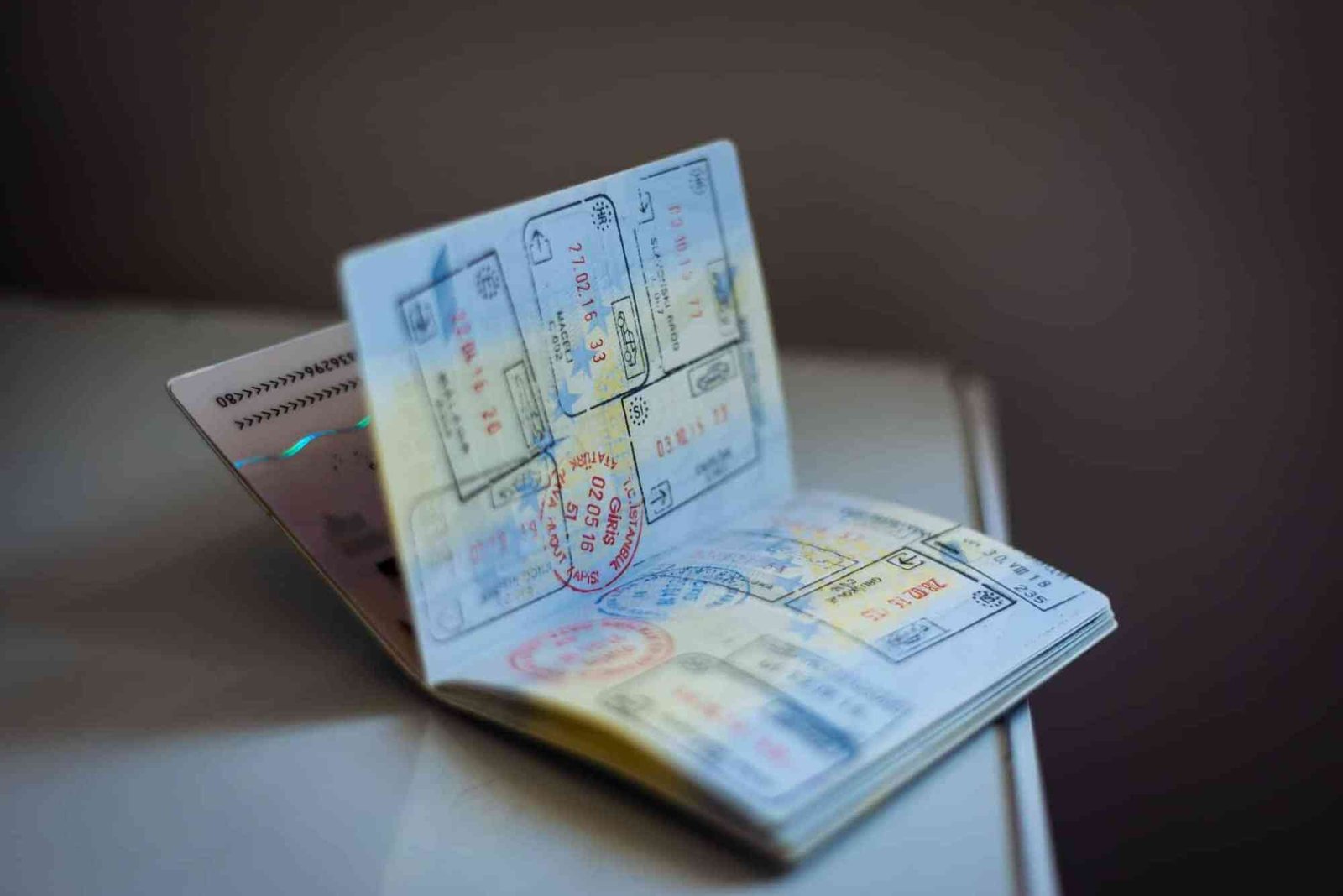
Libya does not operate an open tourist visa system. Entry is restricted, manual, and embassy-dependent. Whether you are a business professional, an oil sector worker, or someone with genuine family ties in the country, the visa process demands careful preparation — and a realistic budget. This guide gives you both.
Understanding Libya’s Entry Authorization System
Unlike many countries that have shifted to digital portals or e-visa platforms, Libya’s immigration system remains almost entirely manual and consulate-based in 2026. There is no central online application system available to most nationalities. Applications must be submitted in person — or via post — to the Libyan embassy or consulate in your country of residence.
Every applicant must have a formal letter of invitation from a recognized entity inside Libya — whether that is a company, a government body, a hospital, or a registered individual citizen. Without this letter, no application can proceed. The invitation must typically be authenticated through the Libyan Ministry of Foreign Affairs and, in some cases, the relevant chamber of commerce or professional authority depending on the visa type.
Libya Visa Price Table 2026
| Visa Category | Purpose of Travel | Validity | Max Stay | Govt. Fee (USD) | Processing |
|---|---|---|---|---|---|
| Business Visa Most Common | Meetings, contracts, commercial visits | Single entry | 30 days | $80 – $120 | 2–4 weeks |
| Oil & Gas Sector Visa Specialist | Energy professionals, rig workers | Multiple entry | 90 days/entry | $200 – $350 | 4–8 weeks |
| Work / Employment Visa | Employed by Libya-registered company | 1 year | Duration of contract | $150 – $250 | 5–8 weeks |
| Journalist / Media Visa | Press, documentary, field reporting | Single entry | 14–30 days | $100 – $180 | 3–6 weeks |
| Family / Humanitarian Visa | Visiting Libyan relatives, medical | Single entry | 30 days | $60 – $100 | 2–5 weeks |
| Transit Visa | Passing through Libya to a third country | Single transit | 72 hours | $40 – $60 | 1–2 weeks |
| Diplomatic / Official Visa | Government representatives | Varies | Varies | Waived | Expedited |
| Realistic Total Budget (incl. all ancillary costs) | $300 – $700+ | ||||
The True Cost: What You Actually Pay
The government visa fee is the starting point — not the finish line. Most applicants are surprised to discover how quickly the total cost rises once document preparation, translation, and professional services are factored in. Here is a realistic snapshot of what the full process costs:
Application Timeline: What to Expect
Libya’s application process is sequential and cannot be rushed through official channels. Understanding the realistic timeline is essential for anyone with a fixed travel date or project deadline.
Given this timeline, applicants should begin the process a minimum of eight to ten weeks before their intended travel date. For oil sector and work visas, twelve weeks is a safer target. [Insert relevant reference link here]
Required Documents Checklist
Documentation requirements can vary slightly between embassies and visa types, but the following list covers the core requirements that apply to the majority of business and work visa applications:
- Valid passport with minimum 6 months remaining validity and at least two blank pages
- Completed visa application form (obtained from the specific embassy — not available online universally)
- Two recent passport photographs against a white background
- Original authenticated invitation letter from a Libyan-registered host
- Certified Arabic translation of the invitation letter
- Proof of employment or business registration in your home country
- Bank statements for the past three months showing sufficient funds
- Confirmed return flight booking or travel itinerary
- Confirmed hotel or accommodation details inside Libya
- Travel insurance policy (specialist coverage recommended)
- Police clearance certificate from your country of residence
Who Should Use a Visa Facilitation Agency?
Libya’s application process is one where professional facilitation genuinely adds value — not just convenience. The combination of Arabic documentation requirements, Ministry of Foreign Affairs referrals, and the lack of standardized embassy procedures makes it easy for first-time applicants to submit incomplete files that are returned without processing.
Reputable facilitation agencies with existing embassy relationships can catch documentation errors before submission, advise on the most suitable invitation letter format for your specific situation, and provide realistic processing time expectations based on current embassy caseloads. Their fees typically range from $150 to $400 depending on the visa type and urgency involved.
That said, agencies cannot override official processing timelines or guarantee approvals. Any agency that claims otherwise should be treated with caution.
When an Agency Is Worth the Cost
- You are applying from a country without a resident Libyan embassy and must apply through a third-country mission
- Your visa category requires Ministry of Foreign Affairs security clearance
- You have a fixed project start date with limited buffer time
- This is your first Libya application and you are unfamiliar with the documentation format
Travel Insurance: A Non-Optional Cost
Standard travel insurance policies — including many marketed as “worldwide” coverage — frequently exclude Libya due to its ongoing security situation and active foreign office advisories from multiple Western governments. Before purchasing any policy, verify explicitly that it covers medical evacuation from Libya. Air medical evacuation from remote areas can cost tens of thousands of dollars without insurance.
Specialist travel insurers who cover conflict-adjacent or restricted-access destinations do exist, but their premiums reflect the elevated risk. Expect to pay $100 to $300 for a policy covering a two-week business trip, depending on your age, nationality, and the level of medical evacuation cover included.
For travelers comparing destination difficulty and travel costs across the broader region, exploring up-to-date travel price guides can help provide useful context when planning complex itineraries that include restricted-access destinations like Libya.
Extending or Renewing Your Libya Visa
Visa extensions inside Libya are handled through the Passports and Nationality Department, not through embassies. In practice, extensions are difficult to obtain and not guaranteed. Most business travelers plan their itineraries strictly within the authorized stay period rather than relying on in-country extensions.
For work visa holders on longer contracts, annual renewal is handled through the employer’s sponsoring entity and typically requires updated documentation including a renewed employment contract, a continued letter of sponsorship, and — in some cases — an updated security clearance referral. Renewal fees mirror the original application costs.
Travelers who enjoy exploring diverse destinations and are drawn to off-the-beaten-path regions may find the broader international places guides useful when planning surrounding countries to visit before or after a Libya trip.
Final Summary
Libya’s visa process in 2026 is not designed for casual travelers — and that reality should shape how you plan and budget for your trip. The government fee itself is relatively modest, ranging from $40 for a transit visa to $350 for an oil sector multiple-entry permit. But the true cost — factoring in translation, facilitation, specialist insurance, and administrative documentation — consistently lands between $300 and $700 for most applicants.
The single most important thing you can do is start early. Eight to ten weeks minimum before your intended travel date. Twelve weeks if you are applying for a work or oil sector permit that requires Ministry of Foreign Affairs clearance. A complete, correctly formatted file submitted with enough lead time is your best protection against delays and denials.