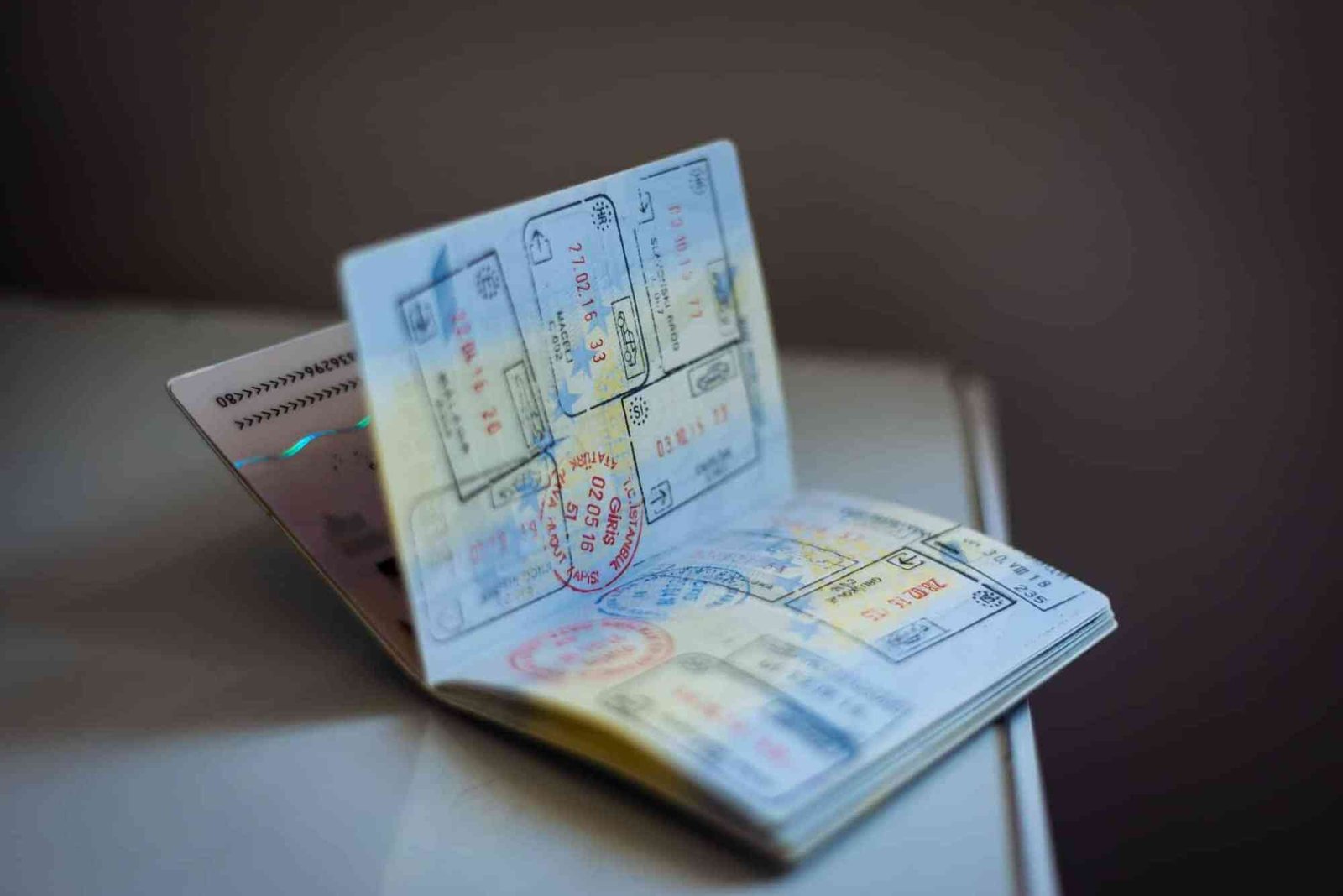
Madagascar is one of the last genuinely wild destinations on earth — home to species found nowhere else on the planet, landscapes that range from baobab-lined avenues to turquoise coral lagoons, and a travel experience that remains meaningfully off the beaten path despite growing international interest. It is also a country whose visa system frequently surprises travellers at the airport. Stories of underestimating the entry costs, or arriving without the correct documents, are common enough to warrant serious pre-trip research — and 2026 brings updated fee structures that differ from what many older sources still cite.
Planning a trip to an emerging destination requires the same level of detail as any major travel investment — from understanding visa costs to researching the best local spots. Just as travellers carefully research visa prices for destinations worldwide before committing to a booking, getting the Madagascar visa cost picture right from the start ensures your budget holds up when you land.
Visa on arrival fee (up to 30 days)
Visa on arrival fee (31–60 days)
Approximate e-visa service charge
Currency note: Madagascar visa fees are denominated in Euros (€) for most foreign visitors and are payable in cash at the airport for visa on arrival. The e-visa is payable in USD online. Exchange rates fluctuate — budget a small buffer above the listed EUR/USD amounts when calculating costs in your home currency. All figures in this guide reflect the 2026 fee schedule; always verify with official sources before travel.
Understanding Madagascar’s Visa System in 2026
Madagascar does not operate a single unified visa price — its entry system is tiered by duration, with distinct fee brackets for short stays up to 30 days, medium stays of 31 to 60 days, and longer visits beyond that threshold. This structure reflects the country’s awareness that it attracts both short-stay tourists doing a focused wildlife itinerary and longer-stay travellers doing multi-region exploration — and it prices entry accordingly.
The Malagasy government has progressively digitised its visa process through the introduction of an official e-visa platform. This is significant because it changes the practical reality of arriving at Ivato International Airport — where the visa on arrival queue can be lengthy during peak season — and gives travellers the option to secure their entry documentation before boarding their flight. However, the e-visa system has had intermittent technical issues, and many experienced Madagascar travellers still recommend having cash in euros available as a backup for the on-arrival option.

Unlike some African nations that grant free entry to citizens of specific countries under bilateral agreements, Madagascar does not operate a broadly free visa scheme. Citizens of most nationalities — including those of EU member states, the USA, UK, Canada, Australia, and India — are all required to pay for entry. The list of nationalities eligible for any form of reduced or waived fee is extremely limited and has not significantly expanded in recent years.
Madagascar Visa On Arrival: Price Breakdown by Duration
The visa on arrival remains the most commonly used entry method for international visitors to Madagascar in 2026. It is available at Ivato International Airport in Antananarivo, the country’s main international gateway, as well as at several other entry points for arrivals by sea. The fee is paid in cash — euros are the most reliably accepted currency, though US dollars are often accepted with less favourable conversion applied at the counter.
| Stay Duration | Visa Fee (EUR) | Approx. Fee (USD) | Visa Type | Notes |
|---|---|---|---|---|
| Up to 30 days | €30 | ~USD 33 | Tourist (single entry) | Most common for short-stay tourists |
| 31 to 60 days | €55 | ~USD 60 | Tourist (single entry) | Required for multi-week itineraries |
| 61 to 90 days | €80 | ~USD 87 | Tourist (single entry) | Available on arrival; extensions rarely granted easily |
| Children under 16 (EU passport) | €0 | USD 0 | Free entry | Specific to EU-issued passports; verify current policy |
Madagascar E-Visa: Online Application Price and Process
Madagascar’s official e-visa platform allows travellers to apply and pay for a visa before departing for the country. The government-operated portal charges a service fee of approximately USD 10–12 (around €8–10 at current rates) in addition to the base visa charge, which mirrors the on-arrival fee structure by duration. The advantage is avoiding the airport queue and having confirmed documentation before travel.
The e-visa processing time is typically three to five business days, though the government portal sometimes experiences delays during peak travel season (particularly June through September, Madagascar’s dry season, which is also the most popular travel period). Applying at least two weeks before departure is strongly recommended to allow for any documentation issues or resubmission requirements.
How to Apply for the Madagascar E-Visa: Step-by-Step
Access the official portal
Go to the official Madagascar e-visa platform at evisa.gov.mg. Be cautious of third-party websites that mimic government portals and charge significantly higher fees — the official government site is the only legitimate source for Madagascar e-visas.
Create an account and complete the application form
Register with a valid email address. The application form requires your full name as on your passport, passport number and expiry date, travel dates (entry and intended exit), accommodation details for your first night, and purpose of visit (tourism for most applicants).
Upload required documents
You will need to upload a clear scan of your passport bio-data page (the page with your photo and personal details), a recent digital passport-style photograph, and your return flight booking confirmation. Some applicants are asked for an accommodation booking reference.
Select your visa duration and pay
Choose 30, 60, or 90 days depending on your intended stay. Pay the combined visa fee and service charge by credit or debit card. Keep the payment confirmation receipt — you will need it if there are any disputes about fee payment.
Receive and print your e-visa approval
When approved (typically within three to five business days), you will receive an e-visa approval document by email. Print this document and carry it with your passport — the Malagasy immigration officer will need to see the physical copy at the border. Digital copies on phones are not always accepted.
Madagascar Visa Price Compared: On-Arrival vs E-Visa vs Embassy
| Application Method | 30-Day Cost | 60-Day Cost | Processing Time | Best For | Risk Level |
|---|---|---|---|---|---|
| Visa On Arrival | €30 (cash) | €55 (cash) | 30–90 min queue | Flexible, last-minute travellers | Medium (cash needed) |
| E-Visa (official) | ~USD 43 | ~USD 70 | 3–5 business days | Pre-planners, peak season travel | Low |
| Embassy/Consulate Visa | Varies by location | Varies by location | 5–15 business days | Long-stay, business, research visas | Medium (document-heavy) |
| Third-Party Agent | €50–€120 total | €80–€150 total | 3–7 business days | Not recommended — premium for no added value | Higher cost, variable quality |
The direct cost comparison makes clear that the visa on arrival is typically the cheapest method when only counting the visa fee itself — but the hidden cost of carrying significant cash to the airport, the risk of long queues, and the exposure to less favourable USD-to-EUR conversions if paying in dollars can make the e-visa the better value choice for travellers who plan ahead. Third-party application agents offer no advantages over the official government portal and charge substantially more.
Quick Visa Price Overview by Stay Duration
Hidden and Additional Costs Beyond the Base Visa Fee
The visa fee is the most visible cost, but it is not the only one. Travellers who budget only the visa charge frequently encounter additional expenses that, while individually small, add up meaningfully when combined. Understanding the full cost picture before travel is the difference between an accurate budget and an unpleasant surprise on arrival.
| Additional Cost | Typical Amount | When Applicable | Avoidable? |
|---|---|---|---|
| Airport departure tax | ~USD 30–50 | On departure from Madagascar | Sometimes (check if included in airfare) |
| Currency exchange fee at airport | 3–8% markup | If paying on-arrival fees in USD or exchanging | Yes — carry EUR cash |
| E-visa service fee | ~USD 10 | All e-visa applications | No — mandatory for e-visa |
| Passport photo (if needed) | USD 5–15 | Some embassy applications; digital for e-visa | Yes — prepare in advance |
| Document translation (if applicable) | USD 30–100 per doc | Embassy/long-stay applications requiring French translation | Partly — depends on documents required |
| Return flight proof (booking fee) | USD 0–25 | If using a dummy/hold booking service as proof | Yes — book actual return flight |
| Travel insurance (not visa-required but strongly advised) | USD 40–200+ | All visits to Madagascar | Not required — but medically critical |
Madagascar’s healthcare infrastructure is limited outside of Antananarivo. Comprehensive travel insurance — including medical evacuation coverage — is not a bureaucratic formality here. It is a genuine risk management decision that should be factored into the total trip cost alongside the visa fee.
Who Does NOT Need a Visa for Madagascar?
Madagascar maintains very limited visa-free or visa-on-arrival exemptions. The country does not operate the kind of bilateral free-entry agreements common among some African Union states. As of the current 2026 policy, all major western nationalities — including EU citizens, UK, US, Canadian, Australian, New Zealand, and Indian passport holders — require a visa and must pay the applicable fee.
| Nationality Group | Visa Requirement | On Arrival Eligible? | Notes |
|---|---|---|---|
| EU citizens (all member states) | Visa required — fee applies | Yes | Children under 16 with EU passport — check current exemption status |
| UK citizens | Visa required — fee applies | Yes | On arrival or e-visa both available |
| US citizens | Visa required — fee applies | Yes | USD accepted on arrival but EUR preferred |
| Indian citizens | Visa required — fee applies | Yes | E-visa strongly recommended to avoid delays |
| SADC region nationals (select) | Reduced fee or free entry (select countries) | Yes (where applicable) | Verify current bilateral status — subject to change |
| Comorian citizens | Visa exemption (historic bilateral) | N/A | Subject to change — verify before travel |
Extending Your Madagascar Visa: Costs and Practicalities
If your initial visa duration proves insufficient, Madagascar does allow for visa extensions through the Direction Générale de la Police Nationale (DGPN) immigration offices in Antananarivo and other major cities. The extension process is significantly more bureaucratic than the initial visa application and should not be treated as a casual fallback option if you are unsure whether 30 or 60 days will be enough.
Extension fees vary depending on the duration being added and the immigration office handling the request, but travellers typically report costs in the range of €30–€60 for an additional 30 days, plus the administrative friction of multiple office visits, document preparation, and waiting periods that can span several days. If you already know you will need more than 30 days in Madagascar, the most cost-effective and least stressful approach is to purchase the correct duration visa at entry rather than relying on an extension.
It is also worth noting that overstaying a Madagascar visa — even briefly — carries financial penalties and can result in complications when attempting to exit the country. Immigration authorities at Ivato Airport are known to check visa validity carefully on departure, and overstay fines, while variable, can be significantly more expensive than purchasing the correct initial visa would have been.
Madagascar Visa Fees for Travellers from Dubai and the UAE
For UAE-based travellers — including both expatriates and UAE nationals — the Madagascar visa on arrival is available regardless of passport nationality, subject to the standard fees and duration brackets. There is no Madagascar embassy in the UAE as of 2026, which means UAE-based applicants use either the e-visa portal or the visa on arrival option exclusively.
Travellers from Dubai flying to Madagascar typically route through Nairobi, Réunion, or Mauritius, as there are no direct flights from UAE airports to Ivato International Airport in Antananarivo. The visa fee is payable on arrival regardless of routing, and the e-visa is the recommended option for UAE-based travellers given the absence of a local embassy and the convenience of having documentation confirmed before the multi-leg journey.
For those researching travel costs as part of broader trip planning from the region, understanding how visa charges compare across different African and Indian Ocean destinations helps build a complete budget. Travel and shopping destinations in Southeast Asia and the Asia-Pacific region — popular alternatives for UAE-based travellers — have very different visa cost structures, as explored across destination guides on this site.
Is the Madagascar Visa Fee Refundable?
For visa on arrival, the question of refundability does not arise in the traditional sense — you pay at the immigration counter and receive your visa immediately. There is no advance payment that could be at risk if plans change. For the e-visa, however, the fee situation is less straightforward.
The Madagascar e-visa fee is generally non-refundable once an application has been processed, regardless of whether the visa is approved or refused, or whether the traveller’s plans subsequently change. The service charge component is non-refundable in all circumstances. Given this, it is important to be confident in your travel plans before paying for an e-visa — if significant uncertainty exists about whether the trip will proceed, the on-arrival option (despite its cash requirement and queue logistics) preserves more financial flexibility since no advance payment is made.
Applications refused due to document deficiencies can sometimes be resubmitted with corrected documents, but the original application fee is typically not credited against the resubmission. Read the terms carefully on the official portal before submitting.
Madagascar vs Other Indian Ocean Destinations: Visa Cost Comparison
For travellers weighing Madagascar against other Indian Ocean destinations, the visa cost comparison is a useful part of the overall trip budgeting exercise. Madagascar sits at a middle point in the regional visa cost spectrum — more expensive than Mauritius (which offers visa-free entry for most nationalities) but cheaper than some longer-stay options in the region.
| Destination | Typical Visa Cost (30-day tourist) | Visa On Arrival? | E-Visa Available? |
|---|---|---|---|
| Madagascar | €30 (on arrival) / ~USD 43 (e-visa) | Yes | Yes |
| Mauritius | Free (most nationalities) | Visa-free | N/A |
| Réunion (France) | Free (Schengen-linked) | N/A (French territory) | N/A |
| Comoros | USD 30–40 (on arrival) | Yes | Limited |
| Mozambique | USD 50–75 (on arrival) | Yes | Yes |
| Tanzania (incl. Zanzibar) | USD 50 (on arrival) | Yes | Yes |
Common Mistakes Travellers Make With Madagascar Visa Costs
- Arriving without cash euros: The single most common practical mistake. The on-arrival visa counter does not accept cards, and airport exchange rates for dollars to euros are poor. Carry €30–€80 in euros specifically for the visa fee.
- Using a third-party visa agent: Numerous websites present themselves as official or semi-official Madagascar visa services. They charge significantly above the government fee for no added service value. Use only evisa.gov.mg for e-visa applications.
- Underestimating the e-visa service fee: The base visa charge is €30 for 30 days, but the e-visa total cost including the service charge is approximately USD 43 — roughly 30–40% more than the base fee. Budget accordingly.
- Applying for a shorter duration than needed: Upgrading your visa duration after arrival is bureaucratically demanding. If your itinerary runs close to 30 days, buy the 60-day option — the additional €25 is far cheaper than the extension process.
- Not printing the e-visa approval: Madagascar immigration requires a physical printed copy of the e-visa approval document. Arriving with only a digital version on your phone may result in complications at the border.
What to Carry for a Smooth Madagascar Visa on Arrival Experience
For travellers choosing the visa on arrival route, preparation makes the process significantly smoother. The Ivato Airport immigration hall can be chaotic on busy arrival days, and having all your documents ready before you join the queue saves meaningful time and reduces stress after a long-haul flight.
- Valid passport with at least six months validity beyond your intended stay and at least one blank page for the visa stamp.
- Cash euros in the correct amount — €30, €55, or €80 depending on your intended duration. Small notes preferred.
- Return or onward flight booking confirmation (printout or accessible on your phone). Immigration may ask to see proof you are leaving the country.
- Accommodation details for your first night in Madagascar — address and booking confirmation. Have it readily accessible.
- Completed arrival card — these are usually distributed on the aircraft or available at the immigration hall. Fill it in before you reach the counter.
Madagascar Visa in the Context of Total Trip Costs
The visa fee, ranging from €30 to €80 depending on stay duration, is a relatively modest line item within the context of a Madagascar trip budget. International flights — typically the largest single cost — run from €700 to €1,500+ from European departure points, and considerably more from North America or Asia. Accommodation ranges from budget guesthouses at €15–€30 per night to boutique lodges at €100–€300 per night. Internal transport within Madagascar, particularly to remote wildlife areas like Ranomafana or Isalo, adds another €50–€200 per segment depending on whether you hire a car with driver or join group transfers.
In this context, the visa fee is worth treating as a fixed, predictable cost that should be researched accurately but does not dominate the overall budget. The bigger financial risks in a Madagascar trip are less visible line items — internal transport costs, the premium on food and accommodation in remote national park areas, and the cost of emergency medical care if anything goes wrong without adequate insurance.
Travellers who carefully research all components of international travel costs — from visa fees to accommodation pricing — tend to arrive better prepared and better resourced than those who focus only on flights and ignore the administrative costs. The same discipline that experienced travellers apply to understanding local shopping and pricing in international destinations applies equally to pre-trip paperwork costs.
Frequently Asked Questions: Madagascar Visa Price 2026
How much is the Madagascar visa on arrival fee in 2026?
The Madagascar visa on arrival fee is €30 for stays up to 30 days, €55 for stays up to 60 days, and €80 for stays up to 90 days. Fees are payable in cash — euros are the most reliably accepted currency. The fee is paid at the immigration counter on arrival at Ivato International Airport in Antananarivo. Cards are not accepted at the on-arrival visa counter.
Is a Madagascar e-visa cheaper than the visa on arrival?
Not exactly. The base visa charge is the same whether you apply for an e-visa or pay on arrival — €30 for 30 days, for example. The e-visa adds an additional service fee of approximately USD 10, making it slightly more expensive in total. The benefit of the e-visa is not cost saving — it is convenience, speed at the airport, and the security of having confirmed documentation before you travel.
Can I extend a Madagascar visa after arrival?
Yes, but the process is bureaucratic and time-consuming. Extensions are handled by immigration offices in Antananarivo and major cities. The cost is approximately €30–€60 for an additional 30 days, plus multiple office visits and document preparation. If you know you need more than 30 days, it is strongly advisable to purchase the correct duration on arrival rather than attempting to extend. Overstaying without an extension results in fines and complications on departure.
Do children need to pay for a Madagascar visa?
Children under 16 holding EU passports have historically been eligible for free entry to Madagascar, though this policy should be verified with current official sources before travel as exemption policies can change. Children of other nationalities typically pay the same visa fee as adult applicants. Check the official Madagascar e-visa portal or contact the nearest Malagasy diplomatic mission for confirmation before travel.
Is the Madagascar e-visa fee refundable if I cancel my trip?
No. Madagascar e-visa fees are non-refundable once an application has been processed, regardless of whether the visa is granted, refused, or whether the traveller’s plans change. If there is significant uncertainty about whether your trip will proceed, consider using the visa on arrival option instead — no advance payment is made, so there is nothing to lose if plans change.
Planning Around the Madagascar Visa Price in 2026
Madagascar’s visa system in 2026 is straightforward once you understand it, but it rewards preparation. The core decision is simple: carry cash euros for the on-arrival option, or apply through the official e-visa portal two weeks before departure and pay slightly more for the convenience of pre-confirmed documentation. Both methods are legitimate, and both are significantly cheaper and simpler than using any third-party agent service.
The key number to remember: €30 for 30 days, €55 for 60 days, €80 for 90 days. Budget for the e-visa service fee on top if applying online. Plan for the departure tax as a separate line item. Carry comprehensive travel insurance that covers medical evacuation. And if there is any chance your itinerary might push past 30 days, buy the 60-day option at entry — the extra €25 is far less costly than the extension process.
Beyond the visa logistics, Madagascar rewards travellers who arrive well-prepared and stay long enough to move beyond the capital. Whether you are combining it with regional island-hopping or treating it as a standalone wildlife destination, the visa cost is a minor entry point to one of the world’s most extraordinary travel experiences. For other practical travel cost breakdowns and destination-specific pricing guides, explore the full visa prices resource section — covering destinations from Southeast Asia to the Indian Ocean and beyond.
Related Reading: Myanmar Visa Price in 2026: Latest Fees, Cost & Charges
Related Reading: Maldives Visa on Arrival Price in 2026: Latest Fees, Cost & Charges