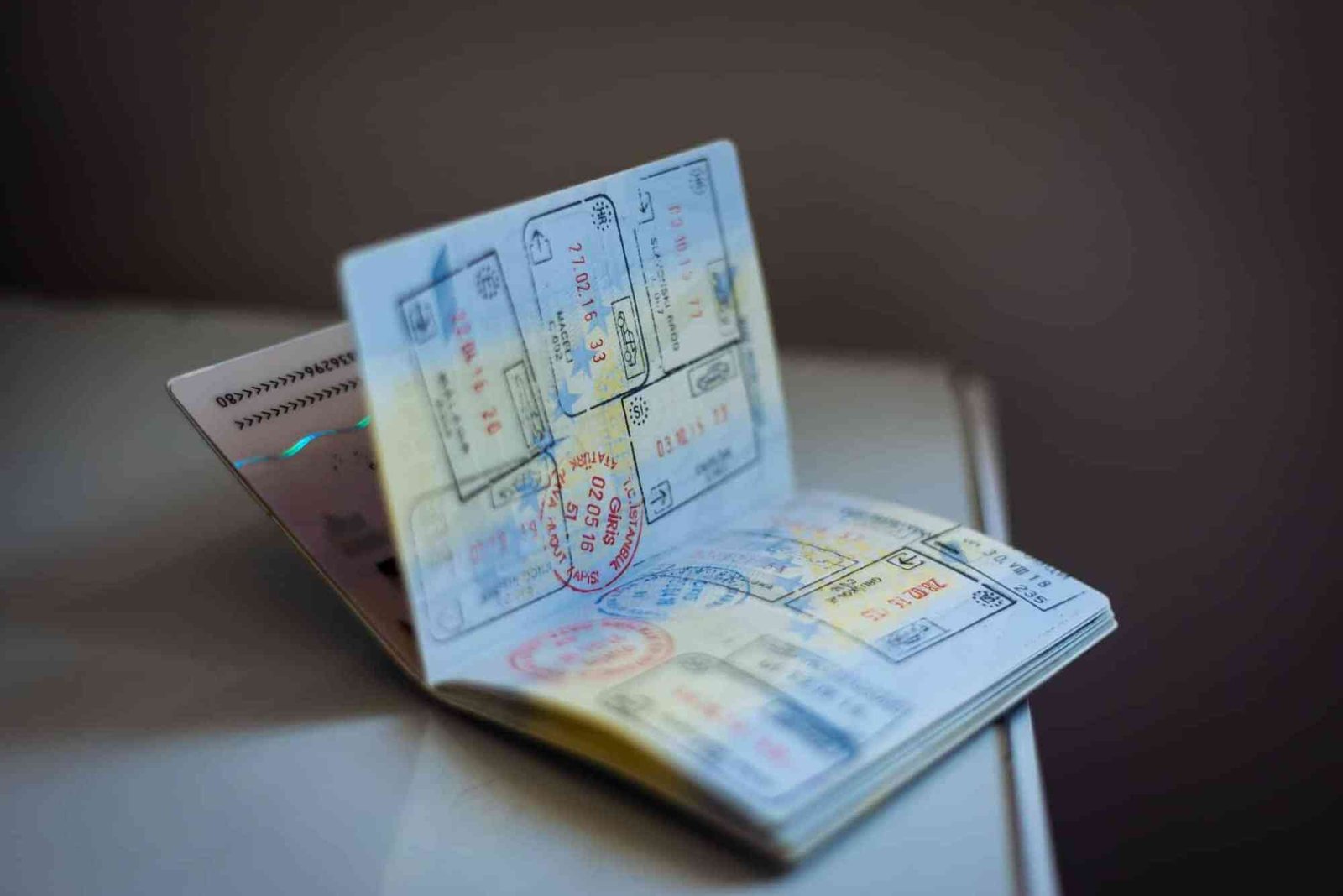
This guide covers every cost dimension of Mexico tourist entry in 2026, from the base visa application fee to the airport tourist tax that catches even experienced travellers off guard. For travellers also exploring visa prices for international destinations as part of broader trip planning, Mexico’s entry cost structure is one of the more nuanced in the Americas — worth understanding fully before booking flights.
Who Needs a Mexico Tourist Visa in 2026?
Mexico maintains visa-free entry agreements with over 60 countries, meaning the majority of Western tourists — from the United States, Canada, the European Union, the United Kingdom, Australia, Japan, and many others — enter without any visa at all. These travellers are admitted for tourism for up to 180 days without paying any consular fee, though they do encounter the airport tourist tax discussed later in this guide.
Nationals of countries not on Mexico’s visa-exempt list must obtain a tourist visa (Visa de Turista) from a Mexican consulate or embassy before travel. This list includes most South Asian nationals (Indian, Pakistani, Bangladeshi, Sri Lankan), many African nationalities, several Middle Eastern countries, and various Eastern European and Central Asian passport holders.
There is a third category: nationals of certain countries who hold a valid US visa, Canadian permanent residency, or certain other qualifying documents may be eligible for simplified Mexico entry without a full consular visa — a provision worth checking specifically for your nationality before beginning any visa application process.
| Category | Entry Requirement | Tourist Fee | Maximum Stay |
|---|---|---|---|
| Visa-exempt nationalities (US, EU, UK, Australia, etc.) | No visa — passport only | Airport tourist tax (~$42 USD, often included in airline ticket) | Up to 180 days |
| US/Canada visa or permanent residency holders | Qualifying document + passport | Airport tourist tax only | Up to 180 days |
| Visa-required nationalities | Consular tourist visa required | Consular fee + airport tourist tax | Up to 180 days (set by officer) |
Mexico Tourist Visa Fee: The Official Consular Charge in 2026
The base fee for a Mexico tourist visa (Visa de Turista, Type FMT) is set by the Mexican government and charged at all Mexican consulates worldwide. In 2026, the standard consular fee for a tourist visa is approximately USD $36 to $44 depending on the applicant’s nationality and the specific consulate, due to reciprocity-based fee adjustments that some consulates apply.
This is a non-refundable application fee paid at the time of submission — whether your application is approved or refused. Most consulates require this fee in the local currency equivalent, calculated at the exchange rate in effect on the day of payment. Some consulates accept card payments; many still require cash. Verify the accepted payment method with your specific consulate before your appointment.
The tourist visa is typically issued as a single-entry visa valid for 6 months from the date of issue. Upon entry, the immigration officer at the Mexican port of entry determines the permitted duration of stay — up to a maximum of 180 days. The number of days granted is stamped on your Forma Migratoria Múltiple (FMM) tourist card issued at the border, and it is this stamp — not the visa validity period — that governs your legal stay in Mexico.
Complete Mexico Tourist Visa Fee Breakdown 2026
| Fee Component | Amount (USD approx.) | Mandatory? | Notes |
|---|---|---|---|
| Consular visa application fee | $36–$44 | Yes (visa-required nationals) | Non-refundable regardless of outcome |
| Airport tourist tax (DNR/Tourism Tax) | ~$42 | Yes (all foreign tourists) | Usually included in international airfare; check ticket details |
| FMM tourist card fee (land border entry) | ~$27 | Yes (land border arrivals only) | Air arrivals: included in airline ticket. Land arrivals: paid at border |
| Biometric appointment fee | Varies / often $0 | Some consulates require this | Check with your specific consulate |
| Document translation / notarisation | $20–$80 per document | If required by consulate | Varies by country of application |
| Visa agency / service fee | $30–$150 | No — optional | Only if using third-party facilitation services |
| Passport photograph | $5–$15 | Yes | Required for consular application |
All USD amounts are approximate conversions for 2026. Actual charges are set in Mexican pesos or local currency equivalents and vary by consulate location. Verify current fees directly with your nearest Mexican consulate before applying.
The FMM Tourist Card: What It Is and What It Costs
Every foreign national entering Mexico for tourism — whether they need a visa or not — receives a Forma Migratoria Múltiple (FMM), commonly called the Mexico tourist card. This document records your permitted stay duration, entry point, and purpose of visit. It must be kept safely throughout your time in Mexico and surrendered when you depart — losing it can result in delays and fees at departure.
For travellers arriving by air, the FMM cost is included in the airline ticket price as part of the airport tourism tax (approximately $42 USD), which has been collected by airlines and remitted to the Mexican government for international arrivals for many years. You won’t see a separate line item for the FMM on your ticket; it’s bundled within the taxes and fees section.
For travellers crossing Mexico’s land borders from the United States, Guatemala, or Belize, the FMM must be purchased at the border crossing. The current cost is approximately 533 Mexican pesos (roughly $27 USD at 2026 exchange rates), paid at the border immigration post. This fee applies to travellers entering beyond the Free Zone — if you’re only visiting the border zone (up to 25–30km from the border in most areas), you may not need an FMM at all, though rules vary by specific crossing point.
How to Apply for a Mexico Tourist Visa: Step-by-Step
- Step 1 — Verify your nationality’s visa requirement. Check Mexico’s official consulate website or the Secretaría de Relaciones Exteriores (SRE) portal to confirm whether your passport requires a tourist visa. Don’t rely on third-party visa check tools that may not reflect the most current bilateral agreements.
- Step 2 — Book an appointment at your nearest Mexican consulate. Most Mexican consulates require appointments for visa applications. Appointment availability varies significantly by location — consulates in major cities with large visa-required populations (London, Dubai, Mumbai, Nairobi) can have waits of 4–8 weeks or more. Book as early as possible.
- Step 3 — Prepare your documentation. The standard document set for a Mexico tourist visa includes: a valid passport (6+ months remaining validity with at least 2 blank pages), completed visa application form, recent passport-sized photographs, proof of economic solvency (bank statements showing sufficient funds for the trip duration), proof of accommodation in Mexico (hotel booking or host invitation letter), round-trip flight reservation, and proof of your home country ties (employment letter, property ownership, family ties — demonstrating your intention to return).
- Step 4 — Attend your appointment and pay the fee. Present your documents, pay the non-refundable consular fee (approximately $36–$44 USD in local currency equivalent), and provide biometric data if required by your specific consulate.
- Step 5 — Wait for processing. Standard processing takes 5–15 business days at most consulates, though this varies considerably. Some consulates offer urgent processing for an additional fee. Do not book non-refundable travel until your visa is confirmed.
- Step 6 — Collect your visa and travel. Retrieve your passport with the visa sticker affixed, verify all details are correct, and travel to Mexico within the visa’s 6-month validity window.
Processing Time and Urgent Visa Options
Standard Mexico tourist visa processing at most consulates runs between 5 and 15 business days from the date of your appointment. High-volume consulates — particularly in South Asia, Sub-Saharan Africa, and the Middle East — may take longer during peak travel seasons (November through January, and June through August).
Some consulates offer expedited or urgent processing for applicants with imminent travel dates. Fees for urgent processing vary by consulate and are charged on top of the standard visa fee — typically adding another $20 to $50 USD to the total cost. Not all consulates offer this service; check with yours specifically before planning around a tight timeline.
Travellers who miss their Mexico visa appointment without rescheduling typically forfeit any pre-paid appointment booking fees (where applicable) and must re-book, which adds to both the time and cost of the application process. Keep cancellation and rescheduling policies in mind when booking appointments at high-demand consulates.
Mexico Visa for Indian Nationals: Cost and Specifics in 2026
Indian passport holders are among the largest group of visa-required travellers to Mexico, and the process has specific nuances worth addressing directly. The Mexican consulate in India processes tourist visa applications at offices in New Delhi, Mumbai, and Chennai.
For Indian nationals, the standard tourist visa fee is approximately INR 3,200 to INR 3,800 (roughly $38–$46 USD at current rates) payable at the consulate at the time of the appointment. Documents required include proof of sufficient funds — typically bank statements showing a minimum balance that covers approximately $50 USD per day for the duration of the visit — plus ITR (Income Tax Return) filings for the previous two years if employed, or equivalent financial documentation for self-employed applicants.
Indian nationals holding a valid US B1/B2 visa, UK visit visa, or Schengen visa may be eligible to enter Mexico without a separate Mexican tourist visa — but this exemption applies only if the third-country visa was used at least once and has remaining validity. The specific conditions change; verify current eligibility at the official Mexican consulate in India before relying on this provision.
Mexico Tourist Visa for Pakistani Nationals
Pakistani nationals require a standard Mexico tourist visa and must apply through the Mexican Embassy in Islamabad. The application fee is equivalent to approximately $36–$44 USD payable in Pakistani rupees at the current consulate exchange rate. Processing typically takes 10–15 business days from the appointment date.
Pakistani nationals holding a valid US visa with at least one prior entry recorded on it may qualify for Mexico’s simplified entry provision — allowing entry without a separate Mexican visa. This is a meaningful cost and time saving worth verifying directly with the Mexican embassy in Islamabad before proceeding with a full consular application.
Hidden Costs of Visiting Mexico: What the Visa Fee Doesn’t Cover
The consular visa fee and FMM tourist card are the formal entry costs, but several additional charges catch travellers unprepared when budgeting for a Mexico trip.
Airport Departure Tax
Mexico charges a departure tax for international travellers leaving by air. Like the arrival tourism tax, this is almost universally included in the ticket price for internationally purchased airfares. If you purchased a domestic Mexican leg separately or through a Mexican carrier without taxes included, you may encounter this tax at check-out. Verify your ticket’s tax inclusion before travel to avoid a cash requirement at the departure gate.
Accommodation Tourist Tax
Many Mexican states charge hotel guests a local tourism tax — typically 2–5% of the nightly accommodation rate — which is separate from the national tourism fee built into your airfare. This isn’t a visa cost, but it’s a consistent additional charge across most tourist destinations in Mexico (including Cancún, Mexico City, Oaxaca, and Los Cabos) that should be included in accommodation budget estimates.
Document Notarisation and Translation
Some consulates require official translations or notarisation of supporting documents submitted in languages other than Spanish. Translation and notarisation costs vary significantly by country but typically add $20 to $80 per document. Applicants submitting bank statements, employment letters, or property documents in non-Spanish languages should budget for this possibility.
Third-Party Visa Agent Fees
Private visa facilitation services charge between $30 and $150 on top of official consular fees for assistance with Mexico tourist visa applications. These services are entirely optional — the application is self-serviceable through the consulate directly — and the fees represent pure margin for the facilitator. Unless navigating a genuinely complex application or language barrier, these fees are avoidable.
Mexico vs Other Popular Latin American Tourist Visa Costs
| Country | Tourist Visa Fee (USD approx.) | Visa-Free Countries | Max Stay | Processing Time |
|---|---|---|---|---|
| Mexico | $36–$44 consular fee | 60+ | Up to 180 days | 5–15 business days |
| Colombia | $55 (where required) | 100+ | 90 days | 5–10 business days |
| Peru | $30–$50 (where required) | 100+ | 183 days | 5–10 business days |
| Argentina | Reciprocity fee (US citizens only, historically) / varies | 150+ | 90 days | Varies |
| Brazil | $0 for most (e-visa for some) | 150+ | 90 days | Immediate (e-visa) |
Mexico’s tourist visa fee sits at the competitive mid-range for Latin America. Its maximum 180-day permitted stay is substantially longer than most regional alternatives, making it particularly attractive for long-stay travellers and digital nomads who require extended legal presence in a single country.
Total Cost Estimate: What You’ll Actually Pay to Enter Mexico in 2026
| Traveller Type | Visa Fee | FMM/Tourism Tax | Documents | Total Entry Cost |
|---|---|---|---|---|
| Visa-exempt national (air arrival) | $0 | ~$42 (in airfare) | $0 | ~$42 (already paid in ticket) |
| Visa-exempt national (land border) | $0 | ~$27 (FMM at border) | $0 | ~$27 |
| Visa-required national (air arrival, self-applied) | $36–$44 | ~$42 (in airfare) | $5–$15 (photos) + potential $20–$80 (translations) | ~$83–$181 |
| Visa-required national (using visa agent) | $36–$44 | ~$42 | $5–$80 | ~$113–$331 |
The clearest cost saving available to visa-required nationals is applying directly through the consulate rather than through a third-party visa service. The Mexico tourist visa application is a standard consular process that does not require specialist facilitation — the documentation list is clear and the forms are available in English on most consulate websites.
What to Do If Your Mexico Tourist Visa Is Refused
Mexico’s consular officers are not required to provide detailed reasons for tourist visa refusals, and there is no formal appeals process for tourist visa decisions. The most common reasons for refusal — where they can be inferred — include insufficient proof of financial means, weak evidence of home country ties (suggesting the applicant may not return), an incomplete documentation set, or prior immigration violations in Mexico or other countries.
If your application is refused, you may reapply after addressing the perceived deficiency. The consular fee is non-refundable regardless of the outcome, meaning each application attempt costs $36–$44 plus associated document preparation costs. Before reapplying, objectively assess what may have caused the refusal and strengthen your application accordingly — stronger bank statements, a more clearly documented employment situation, or additional evidence of property or family ties in your home country.
Travellers who have experienced recent visa refusals from other countries — particularly US or Schengen refusals — may face additional scrutiny at the Mexico consulate. Disclose previous refusals honestly on the application form; concealing them is grounds for permanent visa ineligibility if discovered.
Extending Your Stay in Mexico: Costs and Options
The duration of stay granted on your FMM tourist card — up to 180 days — is set by the immigration officer at the port of entry and cannot be extended while you’re in Mexico. Unlike some countries that allow tourist visa extensions through an internal immigration authority, Mexico does not offer in-country extensions on tourist permits.
Travellers who need to remain in Mexico beyond their permitted stay have two options: leave and re-enter (a “border run”), which resets the FMM and may result in a new duration of stay being granted — though immigration officers have discretion to limit this — or change their immigration status through the National Immigration Institute (INM) to a residency category that allows extended legal presence.
Overstaying a Mexican tourist permit is a formal immigration violation. Penalties include fines at departure (calculated per day of overstay), potential deportation, and future entry restrictions. The fine structure starts at approximately $500 pesos per day and increases with the duration of the overstay. Budget conscious travellers who miss their departure date by even a few days should voluntarily report to INM to regularise their status rather than waiting until departure and risking a larger fine or entry ban.
Planning Your Mexico Trip: What to Budget Beyond the Visa
For travellers building a complete Mexico travel budget, the visa and entry fees represent a small fraction of total trip costs. Daily costs in Mexico vary considerably by region and travel style — budget travellers in cities like Oaxaca, Mérida, or Guadalajara can live comfortably on $40–$60 USD per day including accommodation, food, and transport, while resort destinations like Los Cabos, Tulum, and Cancún’s hotel zone can run $150–$300+ per day without difficulty.
Travellers considering their accommodation options across different price tiers will find that Mexico offers an unusually wide range — from $10 hostel dorm beds to $500+ boutique hotel suites — often within the same neighbourhood. Understanding the hotel price ranges across popular destinations before booking helps travellers match accommodation spending to their overall trip budget rather than defaulting to whichever option appears first in a search.
Domestic transport within Mexico — between cities rather than within them — is worth budgeting separately. First-class bus travel between major cities is inexpensive by international standards ($15–$40 USD for most intercity routes) and is often faster than flying once airport time is factored in for shorter distances. Flights between Mexican cities are available from budget carriers at competitive prices when booked in advance.
Mexico Visa Application Mistakes to Avoid
- Applying too close to your travel date — Processing times of 5–15 business days mean a tight window if anything goes wrong. Apply at least 6–8 weeks before departure to leave room for potential delays or document requests.
- Submitting incomplete documentation — Missing a single required document — particularly proof of economic solvency or return flight reservation — is the most common cause of appointment delays and potential refusals. Prepare a complete checklist before your appointment.
- Booking non-refundable travel before visa approval — The consular fee is non-refundable; your flights and accommodation don’t need to be. Use flexible booking options until your visa is in hand.
- Not checking FMM stamp duration on arrival — The duration granted by the immigration officer may be less than the maximum 180 days. Travellers planning longer stays should politely clarify the stamp duration with the officer and request the full permitted period if needed — once stamped, the duration generally cannot be altered.
- Losing the FMM tourist card — This physical document must be surrendered at departure. Losing it results in a replacement fee and potential delays at the airport. Keep it with your passport throughout your stay.
Mexico as a Digital Nomad Destination: Visa Implications
Mexico has become one of the world’s most popular digital nomad destinations — particularly Mexico City’s Colonia Roma, Oaxaca, Mérida, and the Pacific coast towns of Mazunte and Puerto Escondido. The combination of a 180-day maximum tourist stay, relatively low cost of living, strong internet infrastructure in major cities, and a rich cultural environment makes it an attractive extended base.
Digital nomads from visa-exempt countries face no entry fee beyond the tourism tax embedded in their airfare and can enter without any pre-travel visa process. Those from visa-required countries face the consular process outlined in this guide each time they wish to enter or re-enter after a border run.
Mexico does not currently offer a formal digital nomad visa category as of 2026, unlike countries such as Portugal, Costa Rica, or Indonesia. Extended legal residency requires applying through Mexico’s temporary residency route, which involves demonstrating a consistent monthly income above a set threshold and paying a separate, higher fee structure than the tourist visa. Temporary residents are not permitted to work for Mexican companies but may legally work remotely for foreign clients — the practical reality most digital nomads operate within.
For travellers exploring shopping, lifestyle, and cost-of-living across multiple destinations as part of deciding where to base themselves, understanding the full picture of each country’s entry costs and stay duration limits is as important as understanding local shopping and living costs in each potential destination.
Frequently Asked Questions About Mexico Tourist Visa Prices
Is there a Mexico tourist visa on arrival in 2026?
No — Mexico does not offer a formal visa-on-arrival facility for nationalities that require a visa. Visa-required nationals must obtain a tourist visa from a Mexican consulate or embassy before travel. Arriving without the required visa will result in denial of boarding by your airline (which is required to verify visa status before departure) or denial of entry by Mexican immigration officers.
Is the Mexico tourist visa fee refundable if my application is denied?
No. The consular visa application fee is non-refundable regardless of the application outcome. This applies to all Mexican consulates worldwide. There is no exception for first-time applicants, incomplete applications, or refusals on technical grounds.
How long is a Mexico tourist visa valid for?
The standard Mexico tourist visa (Visa de Turista) is typically issued with a validity of 6 months from the date of issue, with a single entry permitted within that window. The permitted stay duration — up to 180 days — is determined by the immigration officer at your port of entry when you arrive in Mexico, not by the visa validity period itself.
Do children need a Mexico tourist visa?
Children travelling on their own passport are subject to the same visa requirements as adults based on their nationality. Children from visa-required countries need their own tourist visa. Children listed in a parent’s passport under older conventions may be covered in some cases, but modern international travel generally requires each traveller to hold an individual travel document. Budget the full visa fee per person including minors when calculating total entry costs.
Can I apply for a Mexico tourist visa online?
Mexico does not currently offer a fully online tourist visa (e-visa) for the general visa-required category. The visa application process for most nationalities requires an in-person appointment at a Mexican consulate or embassy. Some consulates allow the initial form to be completed online before the appointment, but the appointment itself — to submit documents and pay the fee — must be attended in person.
What happens if I lose my FMM tourist card inside Mexico?
A lost FMM card should be replaced before your departure. Visit a local office of the National Immigration Institute (INM) or address the situation at the airport before your departure flight. Replacement involves paying a fee and completing new paperwork. Attempting to leave Mexico without surrendering your FMM may result in processing delays at the departure gate.
Conclusion: What You’ll Actually Pay for a Mexico Tourist Visa in 2026
The Mexico tourist visa price in 2026 is clear when you separate the different components: a non-refundable consular application fee of approximately $36–$44 USD for visa-required nationals, an FMM tourist card cost of approximately $27 USD for land border crossings (or included in your airfare for air arrivals), and a range of ancillary costs — photographs, potential document translation, and optional visa service fees — that total an additional $5 to $150 depending on your circumstances.
For visa-exempt nationals, the effective entry cost is the tourism tax embedded in their international airfare — approximately $42 USD — with no separate application process or consular appointment required. The 180-day maximum stay, the generally streamlined border process at major airports, and Mexico’s competitive daily cost of living once inside the country make the total entry cost modest relative to the experience the destination offers.
The consistent mistakes that inflate the real cost of Mexico tourist entry — using unnecessary visa agents, booking non-refundable travel before visa confirmation, or arriving underprepared for the FMM card process at land borders — are all avoidable with the information in this guide. Apply directly through your nearest Mexican consulate, prepare a complete documentation set, and budget for the full-trip costs rather than the visa fee in isolation.
For travellers also comparing the practical costs of visiting destinations across North America and beyond — including accommodation, transport, and local spending across different trip styles — exploring comprehensive travel price guides helps build the accurate destination-to-destination budget comparisons that make multi-country trip planning genuinely useful rather than aspirational.
Related Reading: Mexico Visa Price in Pakistan in 2026: Total Cost, Fees & Process
Related Reading: Netherlands Visa South Africa Price in 2026: Total Cost, Fees & Process