Introduction
Taking your dog along for a drive can turn an ordinary trip into a great adventure, but safety should come before convenience. A dog moving freely around the cabin can distract the driver, interfere with vehicle controls, or be thrown forward during sudden braking. That is why choosing the right dog seat belts and crash-tested car hammocks matters.
A proper restraint does more than keep your dog from jumping into the front seat. The right system helps limit movement and keeps your pet positioned more safely in the back seat. Veterinary guidance from Cornell University recommends securing dogs with a crash-tested harness, seat belt, or appropriate travel crate rather than allowing them to ride loose.
However, there is an important distinction between a simple dog seat belt tether and a genuinely crash-tested restraint. A product can look strong and still have little evidence behind its crash-protection claims. The Center for Pet Safety maintains an independently tested certification program and advises pet owners to look for its certified products when shopping for travel restraints.
Why Dog Seat Belts Matter for Backseat Safety
Dogs are not secured safely simply because they are sitting in the back seat. During normal driving, an unrestrained dog can move between seats, climb onto the driver, fall into the footwell, or attempt to exit when a door opens.
The danger becomes much greater during an emergency stop or collision. A loose dog can be thrown through the vehicle, potentially injuring itself and other occupants. The American Kennel Club recommends using a crate or crash-tested dog seat belt and specifically advises keeping dogs secured in the back seat.
A proper dog seat belt normally works together with a harness rather than attaching directly to a collar. The harness distributes restraint forces across the dog’s body instead of concentrating them around the neck. This distinction is particularly important because ordinary walking harnesses and collars are not automatically designed to manage crash forces.

The goal is not to immobilize your dog completely. Instead, a good restraint should provide controlled movement while preventing the dog from being thrown around the cabin.
What Makes a Dog Seat Belt Truly Safe?
The phrase “dog seat belt” covers a surprisingly wide range of products. Some are simply short straps with clips at both ends. Others are complete vehicle-specific harness systems that have undergone independent crash testing.
When evaluating a product, start with the evidence rather than the packaging.
The Center for Pet Safety explains that its certified products undergo independent testing and must meet its safety requirements. Its certification program includes safety harnesses, travel carriers, and travel crates.
This matters because strength alone does not equal crash protection. CPS has noted that a strong harness may pass preliminary strength testing without necessarily demonstrating adequate crash performance. Products need to be evaluated as complete restraint systems, including how the harness interacts with the dog and the vehicle.
Fit is equally important. A restraint that is too loose may allow excessive movement, while one that is poorly positioned can become uncomfortable and ineffective. Always follow the manufacturer’s sizing instructions and verify that the harness sits correctly around the dog’s chest and shoulders.
Dog Seat Belts vs. Car Hammocks: What’s the Difference?
Dog seat belts and backseat car hammocks solve different problems, although they are often used together.
A dog seat belt is primarily a restraint. It connects a properly fitted harness to an appropriate vehicle attachment point and limits how far the dog can move.
A car hammock is primarily a containment and comfort accessory. It stretches between the front and rear headrests, covering the rear seating area and often preventing the dog from falling into the footwell. It can also protect upholstery from fur, mud, scratches, and spills.
The important point is that a hammock should not automatically be considered a crash restraint.
A hammock may create a more comfortable backseat environment, but unless the particular hammock has documented crash-testing and certification, it should not be treated as a substitute for a crash-tested harness, crate, or carrier. The safest approach is often to use a properly tested restraint with a hammock that does not interfere with the restraint system.
This distinction is easy to miss because many online listings use terms such as “safety,” “secure,” or “car protection.” Those words do not necessarily mean the product has passed independent crash testing.
What to Look for in Crash-Tested Car Hammocks
If you want a backseat hammock, consider it part of your overall travel setup rather than the primary crash-protection device.
A good hammock should fit your vehicle securely and attach firmly to the headrests. Look for durable materials, reinforced attachment points, nonslip surfaces, and openings that allow a dog seat belt to connect without restricting the harness.
The hammock should also remain stable when your dog stands, turns, or lies down. A poorly fitted hammock can bunch up or slide toward the footwell, defeating one of its main purposes.
Water-resistant fabric can be useful for muddy paws and accidental spills, while a hammock with a center zipper can make it easier for a human passenger to use part of the back seat when necessary.
Most importantly, do not assume that a hammock advertised as “crash-tested” has the same meaning as a certified crash-tested harness. Check exactly what was tested, under which conditions, by whom, and whether the claim applies to the entire product.
How to Choose the Right Dog Seat Belt for Your Dog
Your dog’s size, body shape, temperament, and behavior all influence the best restraint setup.
A calm medium or large dog that prefers sitting or lying down may be comfortable in a properly fitted crash-tested harness connected to an appropriate vehicle restraint.
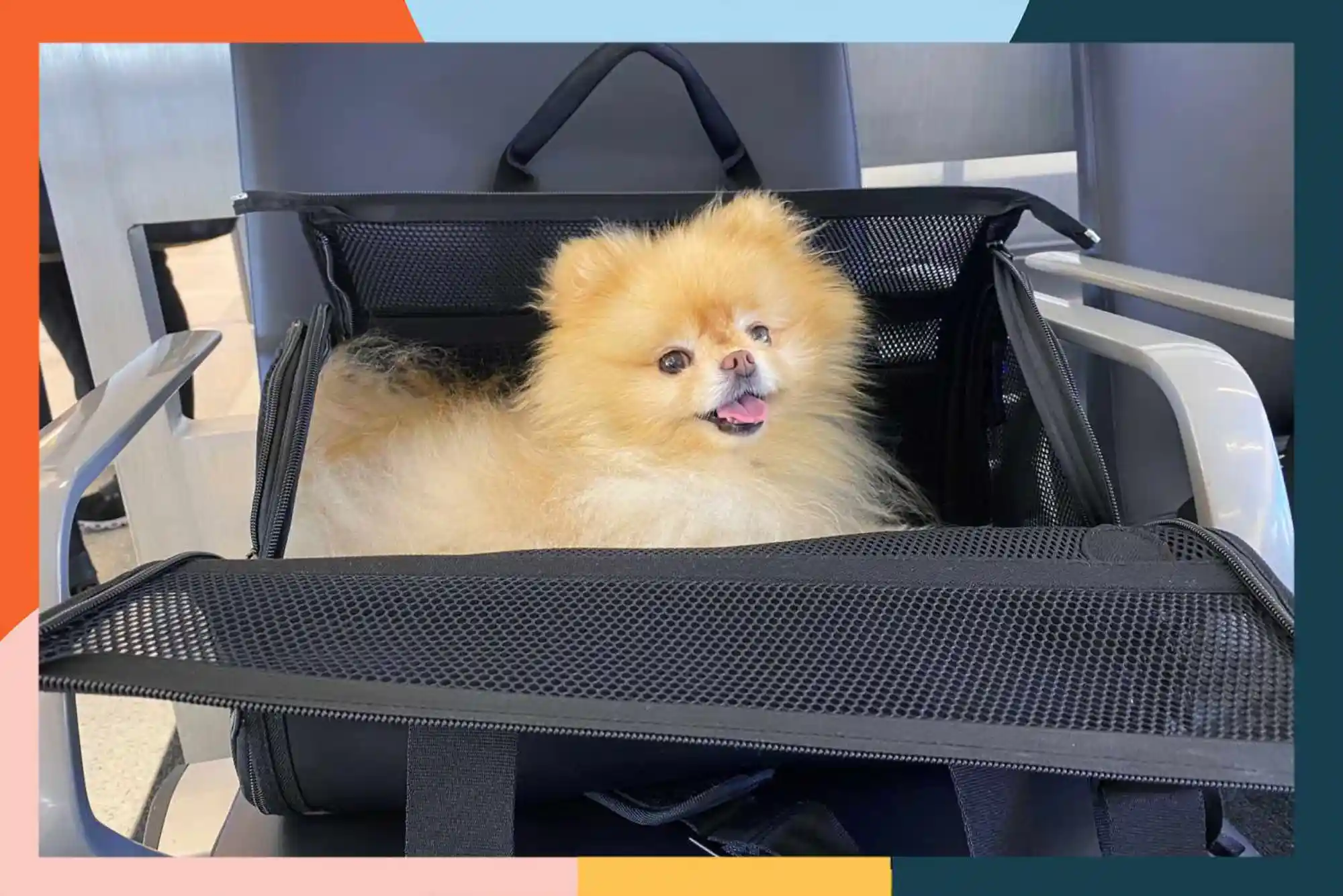
A small dog may be better suited to a properly secured carrier or crash-tested travel crate, depending on the vehicle and the dog’s behavior. Cornell’s veterinary guidance notes that crates and carriers should be secured so they cannot slide or shift during travel.
Dogs that constantly try to climb forward require particular attention to restraint length and attachment. The system should allow reasonable movement without giving the dog enough slack to reach the driver, open windows, or climb into unsafe positions.
Never attach a restraint to a collar simply because it is convenient. A collar is designed primarily for identification and everyday handling, not for distributing crash forces.
Why the Back Seat Is Usually the Better Choice
The back seat offers an important advantage: it keeps the dog away from the front passenger airbag.
The American Kennel Club advises securing dogs in the back seat, while the CDC recommends keeping pets on the vehicle seat in a harness attached to the seat buckle rather than allowing them to roam freely.
For most family vehicles, the back seat also provides a practical space for combining a crash-tested harness with a protective hammock.
Avoid allowing your dog to ride with their head outside the window. Flying debris can injure the eyes and ears, while sudden movement or an accident could result in the dog being thrown from the vehicle.
Common Mistakes When Using Dog Seat Belts
One of the most common mistakes is assuming that any strap labeled as a dog seat belt provides crash protection. A basic tether can help prevent wandering around the cabin, but that does not automatically mean it has been tested for collision forces.
Another mistake is attaching the tether to a collar. Even if the connection looks secure, concentrating force around the neck is not the same as using a properly designed crash harness.
Incorrect sizing is another problem. Owners sometimes choose a larger harness because they expect their dog to grow into it, but excessive looseness can compromise positioning.
Extension tethers and zipline-style systems also deserve caution. The Center for Pet Safety has specifically warned against extension tethers, reporting that excessive movement can increase the risk of orthopedic and other serious injuries.
Finally, never let the presence of a restraint create a false sense of security. Check the hardware regularly for fraying, damaged stitching, cracked clips, or other signs of wear.
How to Get Your Dog Comfortable With a Car Restraint
Even an excellent dog seat belt will not work well if your dog panics whenever it appears.
Start at home. Let your dog sniff and investigate the harness without immediately putting it on. Reward calm behavior and gradually introduce wearing it for short periods.
Once your dog accepts the harness, introduce the car while it is stationary. Let your dog sit in the back seat and become familiar with the environment before starting the engine.
Next, take very short drives. Gradually increase the distance as your dog becomes more relaxed.
The American Kennel Club recommends introducing restraint equipment gradually and using positive reinforcement so dogs learn that the car and restraint are normal parts of travel.
This process can be particularly valuable for puppies and dogs that already associate the car with anxiety or motion sickness.
Dog Car Safety Tips for Long Trips
A safe restraint is only one part of responsible dog travel.
Before a long trip, make sure your dog has access to water and plan regular breaks. The CDC recommends frequent stops so dogs can relieve themselves and stretch their legs. It also advises preparing identification, food, water, medication, and relevant travel documents before departure.
Feeding can also affect the journey. The CDC recommends feeding pets several hours before travel to reduce the chance of vomiting or motion sickness.
Temperature deserves special attention. Never leave a dog alone in a parked vehicle, even if the weather does not initially feel extreme. Cornell Veterinary Medicine also warns against leaving pets unattended in vehicles because temperatures can become dangerous quickly.
For particularly hot climates, including much of Pakistan during summer, planning the timing of travel and maintaining effective air conditioning can be especially important.
Are Crash-Tested Dog Seat Belts Worth It?
For owners who regularly drive with their dogs, documented crash testing can provide a meaningful difference between simply restraining a dog and choosing a system designed with collision protection in mind.
The Center for Pet Safety’s early harness research illustrates why this matters. In its 2011 pilot study, CPS tested commercially available canine restraints using conditions based on FMVSS 213 and found a 100% failure rate among the products included in that initial test.
That historical study does not mean every modern harness is unsafe. Instead, it demonstrates why owners should look for evidence supporting specific products rather than relying solely on attractive packaging or generic “safety” language.
Today, CPS maintains a certification program for products that meet its independent safety requirements. Checking the current certified-product information is therefore a useful step before purchasing a restraint.
Choose Restraint Based on Evidence, Not Marketing
The best dog seat belts and crash-tested car hammocks are not necessarily the products with the most impressive packaging or the longest list of features. What matters most is whether the restraint is appropriately designed, correctly fitted, securely attached, and supported by meaningful safety testing.
For the safest setup, keep your dog in the back seat and use a crash-tested harness, secured crate, or carrier appropriate for your dog’s size and behavior. A car hammock can add comfort and help contain the seating area, but it should not be treated as a replacement for a tested restraint unless the specific product has documented crash protection.
Before your next trip, measure your dog carefully, inspect the restraint hardware, check the manufacturer’s instructions, and verify any crash-testing or certification claims. A few minutes spent choosing and fitting the right equipment can make every journey calmer and more secure for both you and your four-legged passenger.
FAQs
Are dog seat belts safe?
Dog seat belts can be an important part of safer car travel when they are used with an appropriate harness and installed according to the manufacturer’s instructions. However, not every product marketed as a dog seat belt has been crash-tested. Look for independent testing or certification when crash protection is the priority.
What is the safest way for a dog to travel in a car?
For many dogs, a properly fitted crash-tested harness in the back seat is an appropriate option. A properly secured crash-tested crate or carrier may be preferable for other dogs, particularly smaller dogs or those that travel better in an enclosed space. Cornell Veterinary Medicine recommends crash-tested harnesses, seat belts, or travel crates rather than allowing dogs to travel loose.
Can I use a regular seat belt for my dog?
A standard human seat belt should not simply be placed around a dog. Dogs have different body shapes and restraint requirements. Use a purpose-designed dog restraint that connects to an appropriate harness or a properly secured carrier or crate.
Are car hammocks safe for dogs?
A car hammock can make the back seat more comfortable and help prevent a dog from falling into the footwell, but a hammock alone should not automatically be considered a crash restraint. Unless the specific hammock has documented crash-testing for the intended use, pair it with an appropriate dog restraint.
Should dogs wear seat belts in the back seat?
Dogs should be appropriately restrained while traveling in a vehicle. The CDC recommends using a harness attached to the seat buckle when a dog is riding on a vehicle seat, while veterinary guidance recommends crash-tested restraint systems.
Can dogs ride in the front seat with a seat belt?
The back seat is generally preferable because front airbags are designed for human occupants and can seriously injure a dog. The American Kennel Club recommends securing dogs in the back seat.
How do I keep my dog comfortable in a car hammock?
Make the hammock familiar before a long journey. Place a familiar blanket or washable bedding on top, introduce your dog gradually, and make sure the hammock does not interfere with the harness or tether. Regular breaks can also make longer journeys easier.